Wildlife Rehabilitation
Compassionate Care for Native Wildlife in Need
Our Mission
To provide humane and compassionate care for wildlife until they can resume their life in the wild. To co-exist and protect each other, our natural surroundings, and all the inhabitants of our earth by education & example. To promote quality care and medical attention for debilitated wildlife in a professional hospital setting, with the goal of increasing successful wildlife releases.
What is Wildlife Rehabilitation?
The goal of wildlife rehabilitation is to provide professional care to sick, injured, and orphaned animals so ultimately they can be returned to their natural habitat.
Wild animals that sustain injuries or illnesses preventing them from living successfully in the wild usually are euthanized (have their suffering ended in a humane fashion). Occasionally, individual animals that have recovered from their injuries but are not able to survive in the wild are placed in educational facilities.
Wildlife rehabilitation is not an attempt to turn wild animals into pets. Patients are held in captivity only until able to live independently in the wild. Fear of humans is a necessary survival trait for wild animals and every effort is made to minimize human contact and prevent the taming of rehabilitation patients. Often wildlife rehabilitation is an elaborate and time-consuming process.
Our Care & Services
Our veterinarians work to assess injuries and diagnose a variety of illnesses. Care may include:
Medical Evaluation
Exams and diagnostics to assess injuries and illness.
Treatment & Support
Stabilization, wound care, medications, and supportive care.
Nutrition & Recovery
Species-appropriate nutrition and monitoring for healing.
Release Coordination
Coordinated, safe release back to natural habitat when possible.
Specialized Knowledge. Gentle Care.
Due to the important differences between wild animals and domestic animals, rehabilitators need extensive knowledge about the species in care, including natural history, nutritional requirements, behavioral issues, and caging considerations.
They also need to understand any dangers the animals pay present to rehabilitators. Rehabilitators must also be able to administer basic first aid and physical therapy.
When to Contact Us
If you find an injured or orphaned wild animal, please contact our office before attempting to handle or transport it. Some young animals may not actually be abandoned, and certain species require special handling for both your safety and theirs. Our team can help guide you on the best next steps.
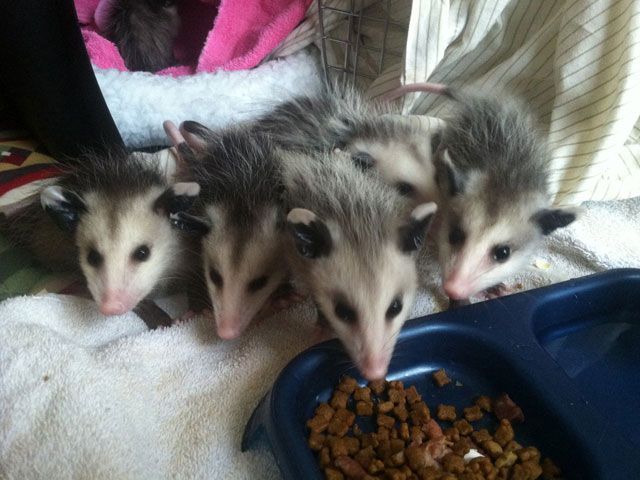
Helping Protect the Wildlife Around Us
We believe caring for wildlife is part of caring for our community. Through treatment, education, and compassionate service, Andes-Straley Veterinary Hospital is proud to play a role in protecting the natural world around Kingport and the surrounding area.